🔄 Last reviewed 9 October 2026 by the editorial team • how we research • independent, affiliate-funded
Short answer
Cognizil™ names six ingredients and publishes a dose for exactly one of them. The six: maca root extract, African mango seed extract, grape seed extract, guarana seed extract (caffeinated), eleuthero root extract, and chromium at 7 mcg per 1 mL serving. Further botanicals and amino acids are referred to but not individually named. That makes dose-for-dose comparison with any competitor impossible — and that is the most important fact on this page. 🔍
The six, one by one 🌿
🌿 Maca root extract
A cruciferous root grown high in the Peruvian Andes, used there for centuries for stamina and mood. Most of the modern human research looks at energy, mood and sexual function rather than memory or recall. It is a reasonable adaptogenic inclusion; it is not a memory ingredient with a strong evidence base behind it. NCCIH's Herbs at a Glance is the place to start if you want the agency summary rather than the marketing one.
🥭 African mango seed extract
Irvingia gabonensis. If you recognise the name it is probably from weight-management marketing a decade ago, which is where most of its (contested) research sits. Its appearance in a memory formula is the least obvious of the six, and we have not found a persuasive cognitive rationale for it. Worth knowing before you pay. 🤷
🍇 Grape seed extract
The most defensible antioxidant in the bottle. Rich in proanthocyanidins, genuinely well studied, with real mechanistic plausibility around vascular health — and blood flow does matter to the brain. NCCIH is candid that the clinical picture is still unsettled, which is the right note to hold.
⚡ Guarana seed extract
The ingredient that does the work you can feel, because it contains caffeine. See the caffeine section below — it deserves more than a line.
🌳 Eleuthero root extract
Often sold as “Siberian ginseng”, which is a marketing name rather than a botanical one: Eleutherococcus senticosus is a different plant from Panax ginseng. It is used as an adaptogen for fatigue resistance, with limited and mixed human evidence. NCCIH covers the better-studied true ginseng for comparison.
🧪 Chromium — 7 mcg
The only published number on the label. See below.
What the label does not say 🤐
Five of the six botanicals carry no published amount. The maker also refers to additional botanicals and amino acids without naming them individually. 📋
This matters more than any single ingredient does. Two bottles can list identical ingredients and be completely different products — one with 300 mg of an extract, the other with 3 mg. Without numbers, you cannot tell which you are holding, and neither can we. ⚖️
Key takeaways 📌
- Only chromium carries a published amount: 7 mcg per 1 mL serving. 🧪
- The five botanicals have no disclosed doses, so nobody can verify whether they are meaningful or token. 🤐
- Unnamed additional botanicals and amino acids are referred to but not listed. 📋
- This makes dose-for-dose comparison with any rival product impossible. ⚖️
- Guarana means caffeine, in an amount that is also not published. ⚡
We are not calling this a scam, and we are not going to pretend the doses are adequate either. We are telling you the information is not available, so that you can price that uncertainty yourself. If published doses are your dealbreaker — a completely reasonable position — buy something else. 🤝
The one real number 🧪
Chromium, 7 mcg per 1 mL serving. For context, the NIH Office of Dietary Supplements gives the adult Adequate Intake as 35 mcg a day for men aged 19–50 and 25 mcg for women in the same bracket, dropping slightly after 50. 🔢
So one dropper supplies roughly 20–28% of an adult AI. That is a supporting contribution, not a corrective dose — and chromium is a glucose-metabolism cofactor rather than a memory nutrient in the first place. Treat it as a small bonus, not a reason to buy. 🧮
The caffeine question ⚡
Guarana seeds contain caffeine — typically more by weight than coffee beans, though what ends up in a 1 mL dropper depends entirely on the extract and the amount used, neither of which is published. ☕
What follows from that, practically:
- ⏰ Take it in the morning. Caffeine's half-life means an afternoon dose can still be active at bedtime, and poor sleep damages memory far more reliably than any supplement supports it.
- 🔢 Count it in your daily total. If you are already at four coffees, this adds an unknown amount on top.
- 💓 Skip it if caffeine does not agree with you. Jitters, palpitations, anxiety or insomnia are reasons to walk away, not to push through.
- 💊 Check interactions. Caffeine interacts with a number of medicines, and adaptogenic botanicals have their own interaction profiles. One conversation with a pharmacist settles it. MedlinePlus on caffeine is a good primer to read first.
How to compare it anyway ⚖️
You cannot compare doses, so compare the things that are visible:
- 💰 Cost per day. $2.80, $2.30 or $1.63 depending on package — the arithmetic is on the price page.
- 🛡️ Guarantee terms. 60 days, counted from shipping rather than delivery. Shorter in practice than it sounds.
- 💊 Format. A dropper you will actually use beats a capsule you will not.
- 📝 Disclosure. Judge the fact that doses are hidden as a data point in itself — and apply the same test to every competitor you look at.
- 🔗 Sources. Does the seller cite anything you can check? Everything on this site links to the FDA, NIH, NCCIH or MedlinePlus.
Form, storage and quality 🧬
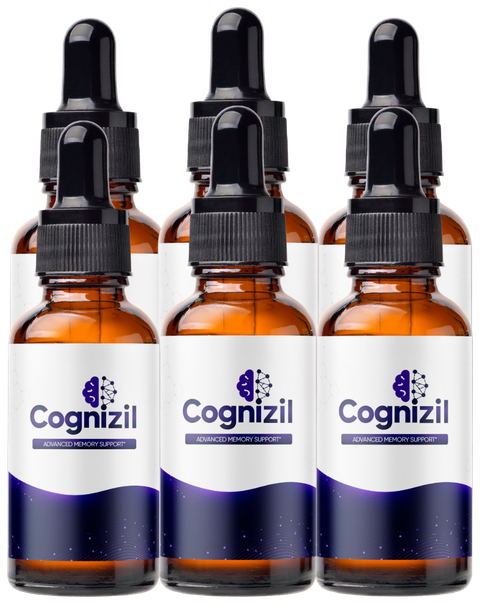
- 💧 30 mL amber glass bottle with a rubber-bulb glass dropper; 30 servings of 1 mL.
- 🇺🇸 Made in the USA in a GMP-compliant, FDA-registered facility. FDA-registered is not FDA-approved — no dietary supplement is approved by the FDA, as the FDA explains.
- 🌡️ Amber glass is there to keep light out. Store it somewhere cool and dark, cap closed, and keep it out of a hot car.
- 🧼 Do not let the dropper touch your tongue, then return it to the bottle — it is the fastest way to contaminate a liquid supplement.
- ⚠️ Not for anyone under 18, pregnant or nursing.
For the wider question of how to judge any supplement label, MedlinePlus on dietary supplements is a solid, non-commercial starting point. 🔍